
Get Support
020-69018100
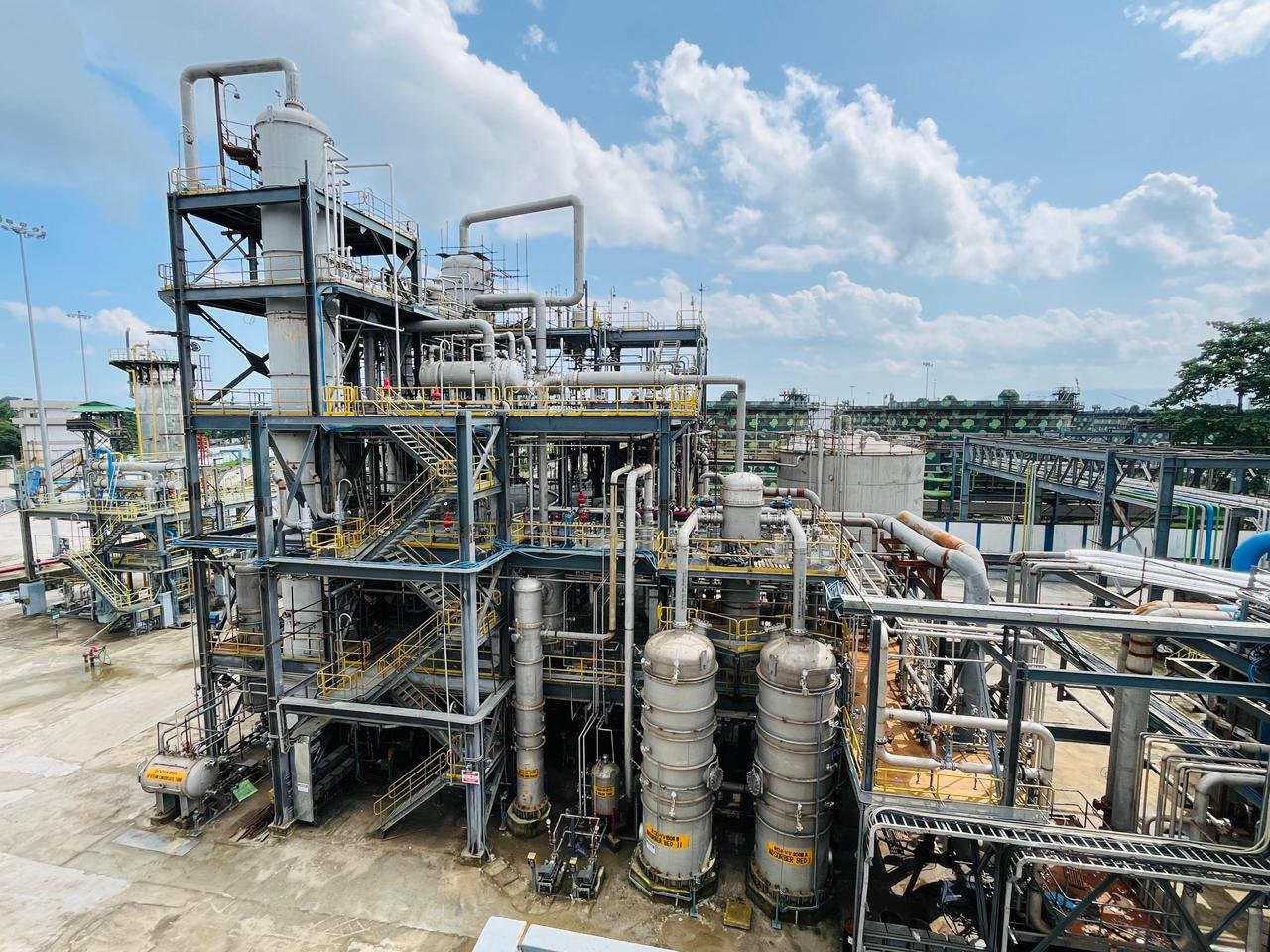
Transforming Lignocellulosic Biomass into Sustainable Biofuel
Raj Process Equipments & Systems Pvt. Ltd. offers turnkey 2G ethanol plants converting rice straw, bagasse, bamboo, corn cobs, and other agri-residues into fuel-grade ethanol.
Supporting SATAT and National Biofuel Policy, we provide next-generation 2G ethanol technology for sustainability, energy security, and circular economy goals.
Turnkey 2G Ethanol Plant Solutions
- Conceptual Design & Engineering → Feedstock studies, mass balance, process optimization
- Pilot & Commercial-Scale Plant Development → 0.5 TPD pilots to 100+ KLPD commercial plants
- In-House Manufacturing → Fabrication at five advanced facilities
- Automation & Process Control → SCADA/DCS for real-time monitoring
- Installation, Commissioning & Training → Comprehensive on-site support
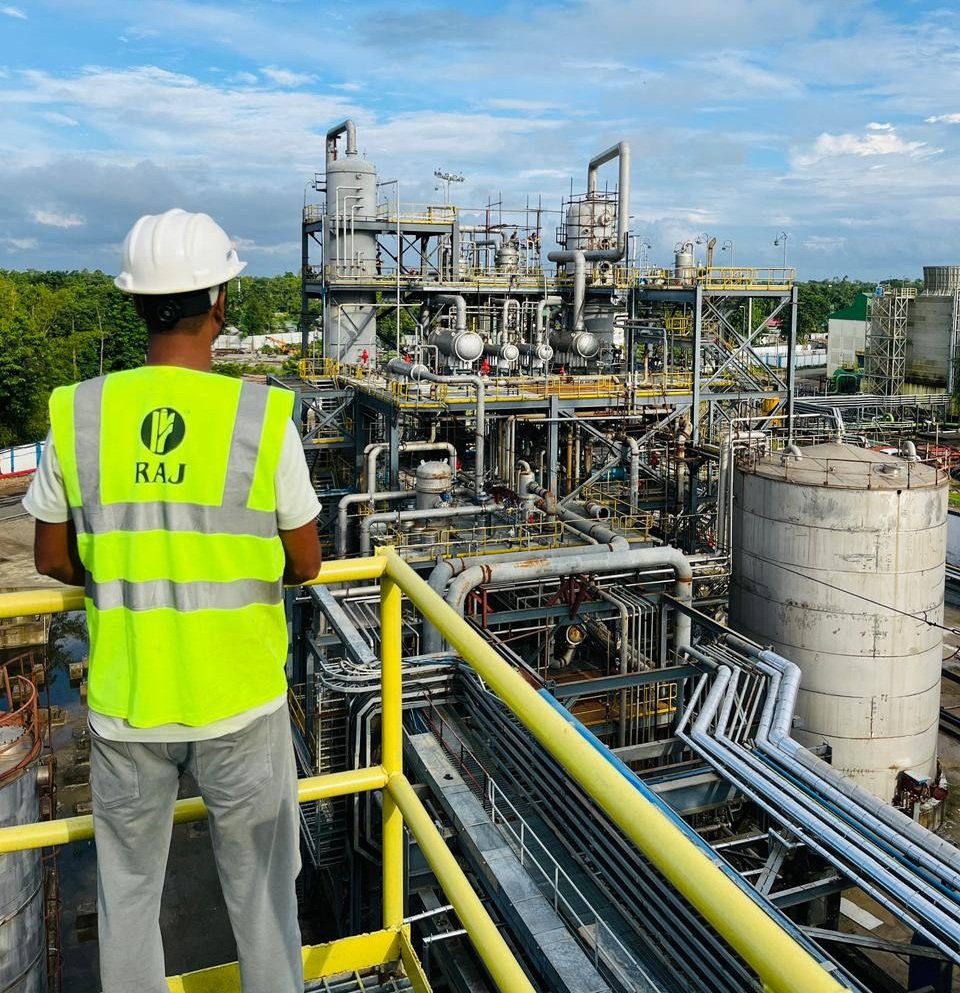
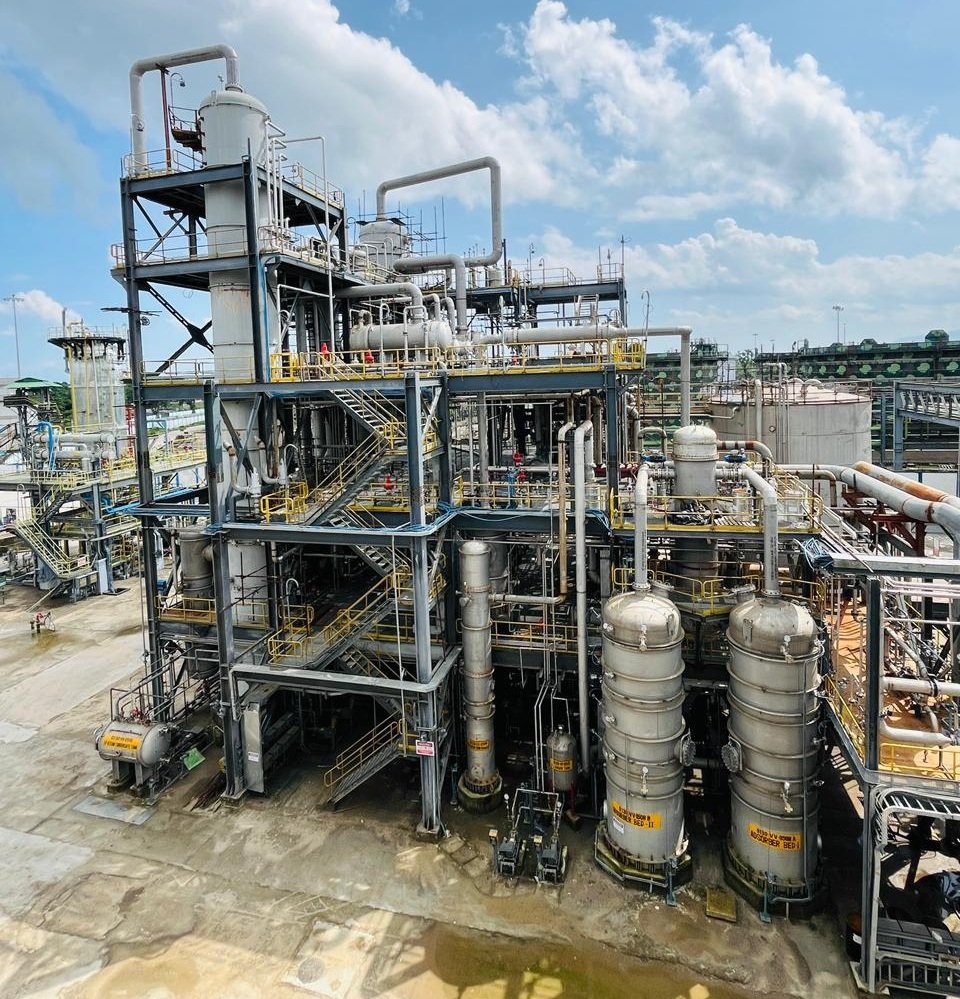
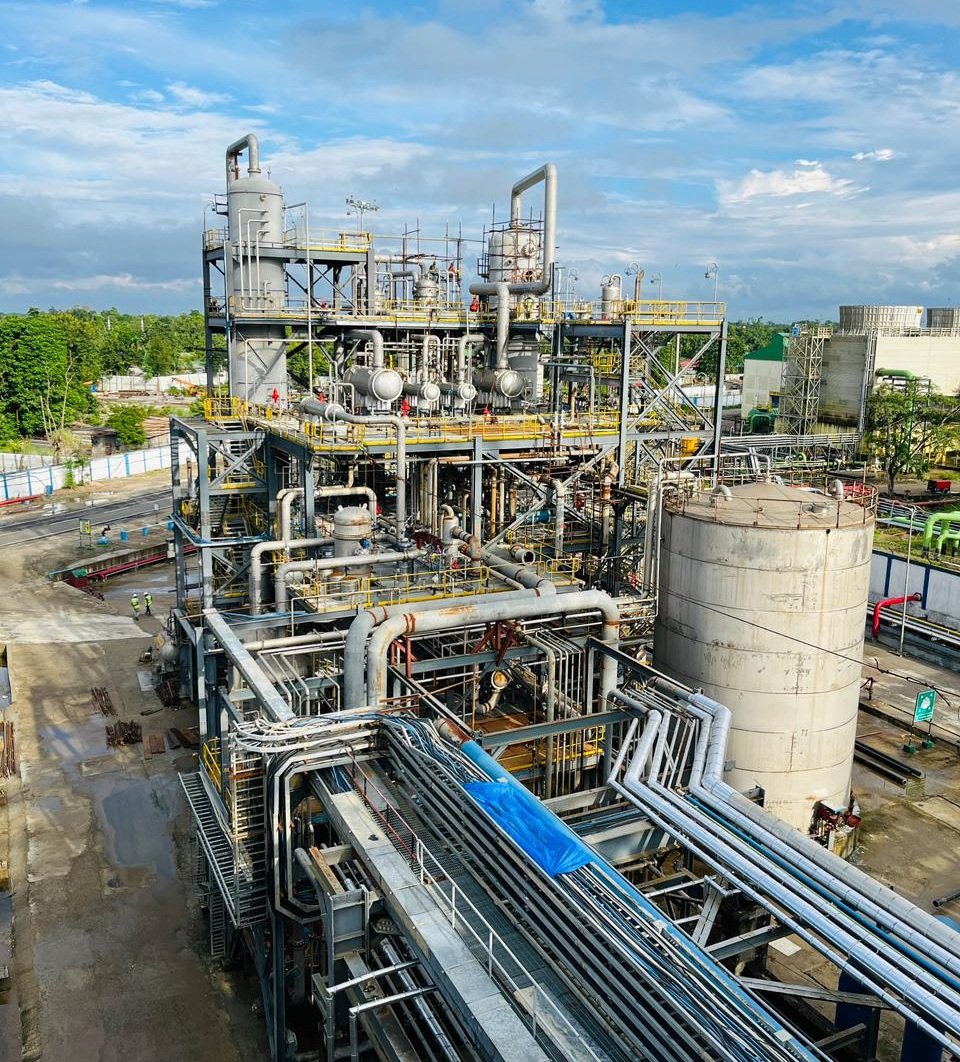
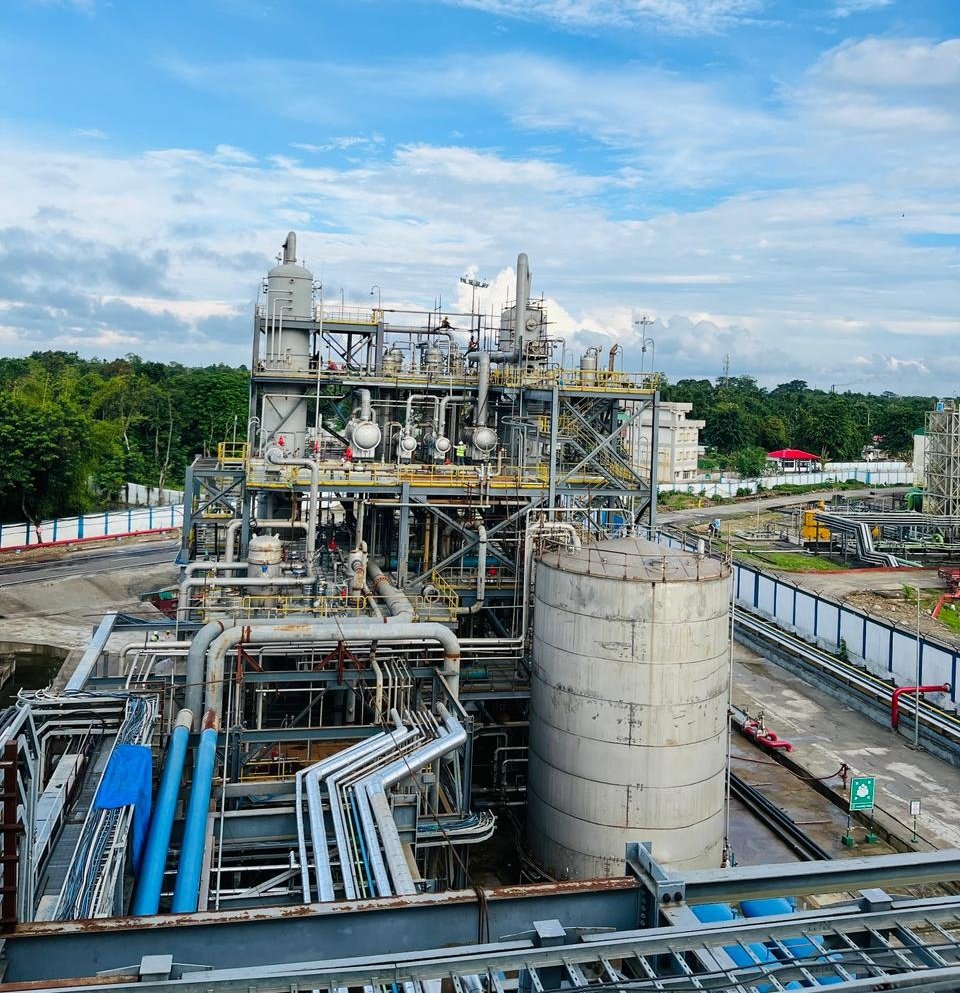
Site: Ethenol Seperation Package, Location: ABEPL (EIL) SITE, Assam Project - RP/19
How Raj Process 2G Ethanol Plants Work
1. Biomass Pretreatment
- Mechanical, chemical, or steam-based pretreatment
- Breaks down hemicellulose and lignin to enhance enzyme accessibility
- Optimized for bagasse, rice straw, bamboo, corn stover
2. Enzymatic Hydrolysis
- Specialized cellulase and hemicellulase enzymes
- Converts cellulose and hemicellulose into fermentable C6 and C5 sugars
- Maximizes sugar recovery with minimal inhibitors
3. Fermentation
- Engineered yeast and microbial strains
- Co-fermentation for glucose (C6) and xylose (C5)
- Efficient ethanol conversion
4. Distillation & Dehydration
- Multi-pressure vacuum distillation for fuel-grade ethanol
- Molecular sieve dehydration → 99.5% purity
5. Co-Product Recovery & Integration
- Lignin recovery → bio-CNG, power generation, pellets
- Carbon dioxide capture for industrial use
- Integration with CBG plants and ZLD systems
Applications of 2G Ethanol
- Ethanol Blending Program → Supporting India’s 20% target by 2030
- Biofuel Substitution → Replacing fossil gasoline
- Industrial Use → Pharmaceutical, beverage, specialty chemicals
- Integrated Energy Systems → Lignin utilization for power and steam
Benefits of 2G Ethanol Plants
- High Conversion Efficiency → Up to 85% cellulose-to-ethanol yield
- Energy Optimization → Heat integration and recovery
- Future-Ready → Integration with CBG plants, SAF, green hydrogen
- Regulatory Compliance → SATAT, BIS, MoPNG norms
We’re here to assist you, reach out to us for any questions.